A conversation with Emma and Luke and how they’re making the outdoors more accessible
Meet Emma and Luke, a couple who love getting outside, and who’ve learned (the hard way sometimes) how much planning and uncertainty can come with that when accessibility isn’t clear.
In this chat, they talk about one Lake District day that completely went sideways, how Emma’s Masters research turned into something much bigger, and why they decided to build RoveAbility. A ****project that helps people understand what a route is actually like before they set off. It’s a really grounded conversation about adventure, accessibility, and making the outdoors feel more open to everyone.
Can you tell us a bit more about you? How did you two meet?
We have been a couple now for 3 years last December. We met at Edge Hill University in Ormskirk, England when we both went for the same role at the Student Union (Disability Officer). Emma won of course. We then started going to wheelchair rugby league together, soon after, I asked Emma out.
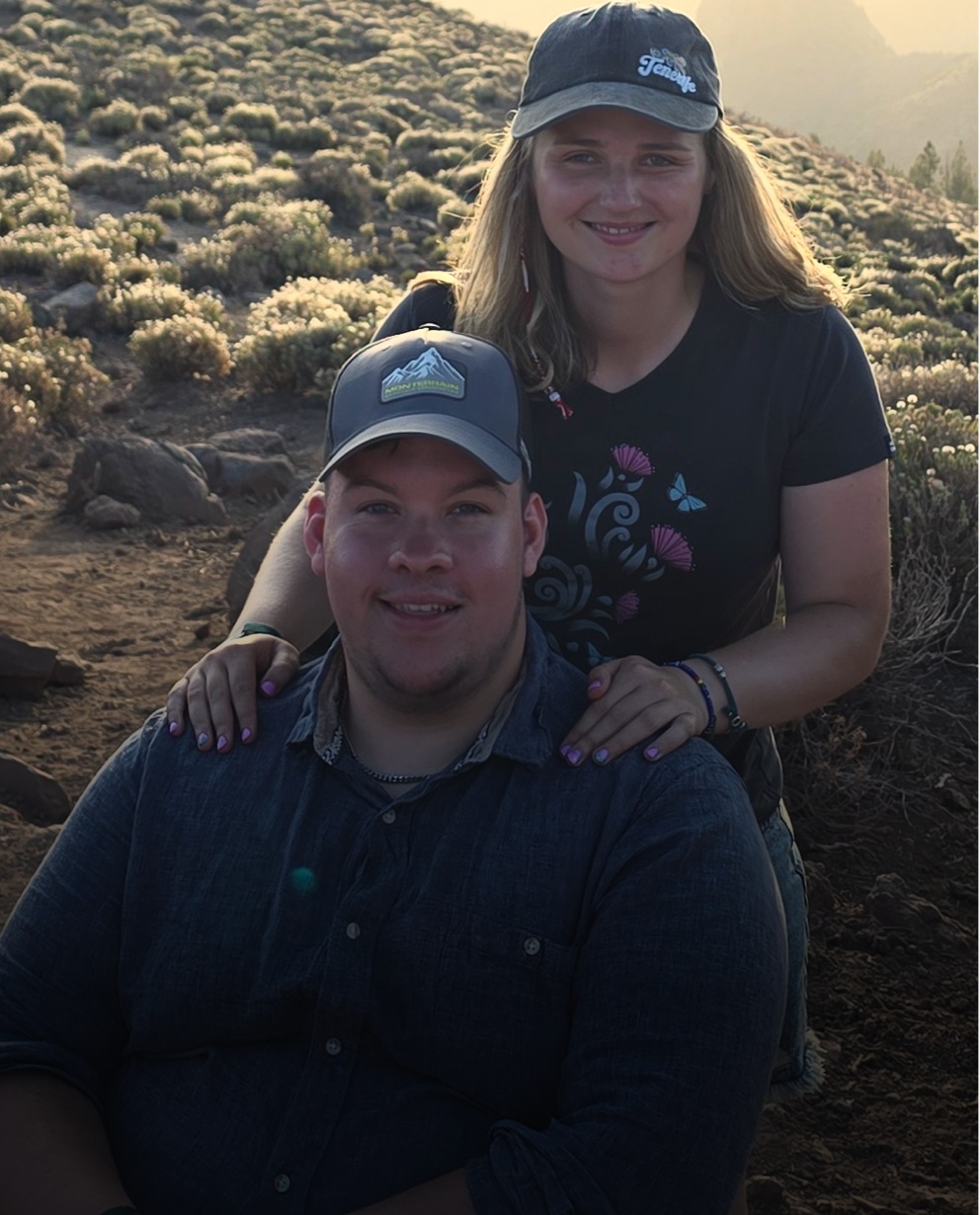
Emma, your Masters dissertation focused on accessibility, what first drew you to that topic, and why did the Lake District become such an important place for that work?
From a young age I have visited the Lake District with my family. I wanted to share my love of the Lake District with Luke. I decided to do my dissertation on this topic because from living there for a year while doing my masters at Ambleside, it was difficult for me and Luke to find routes which were not only wheelchair accessible but fun and challenging as well. Even though I now live in Liverpool, this is still the case when deciding where to visit across the country.
Before RoveAbility existed, how did you usually decide whether a route was “doable” for you both?
Before RoveAbility, we used to use websites and images to make a best guess on access. If when we got there it was not accessible, we generally try it anyway until we either complete it or get too exhausted and have to turn back.
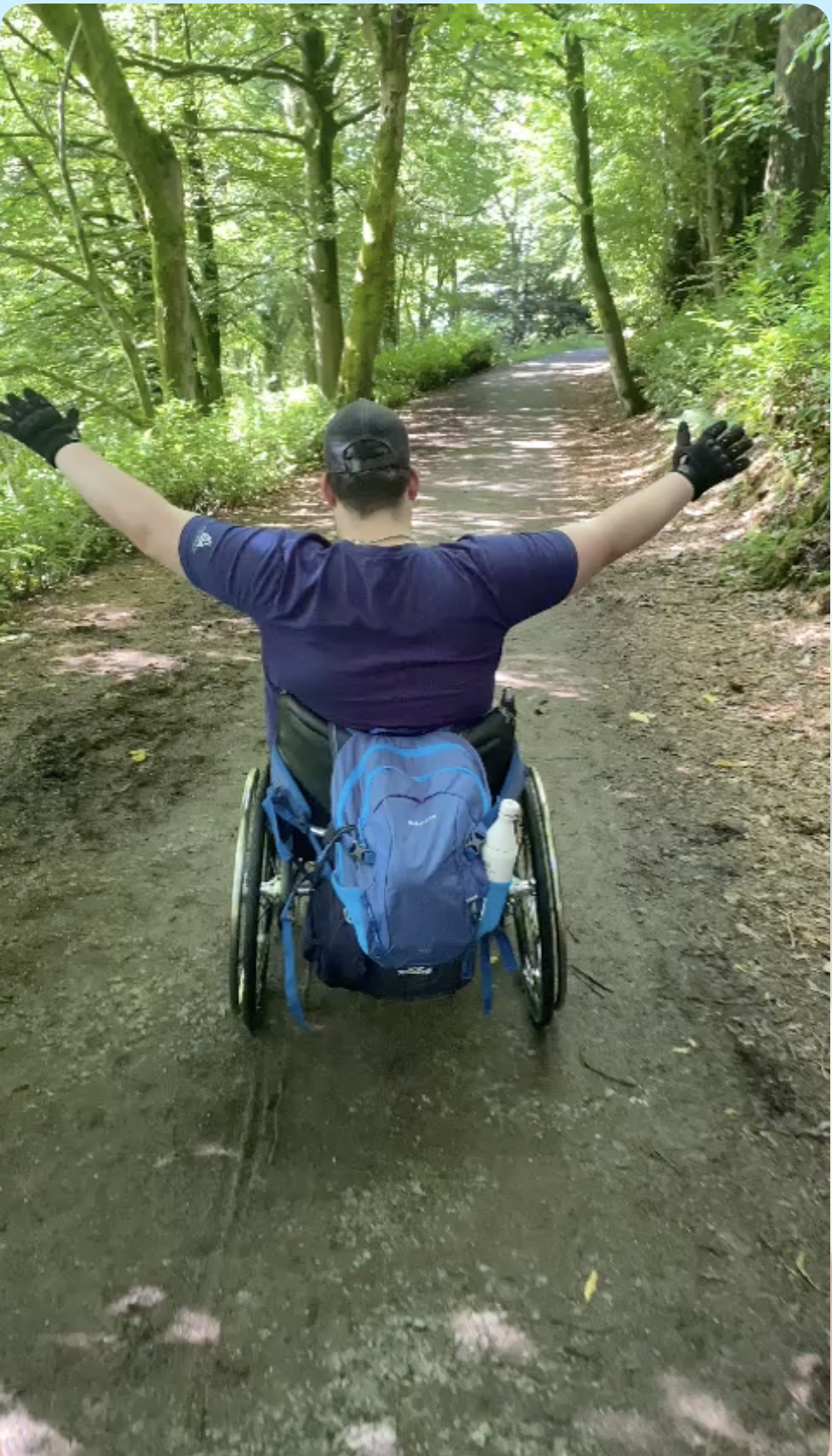
People often underestimate how tough and not very inclusive outdoors can be. Can you take us back to a moment when a day outdoors went wrong, and the mental and physical sides really started to overwhelm?
During a planned route to Tarn Hows, as I didn't have the car, we had to go via public transport. We did look at google maps beforehand as said 20 minutes walk from the bus stop, on the maps it looked reasonable to do. However when we got off the bus, we realised the majority of this walk, was up extremely steep inclines and with the added issue of extreme weather conditions, by the time we got close to the destination, we had already been on the road towards the beginning of the walk for two hours. In the end, we turned back and asked for a lift from one of Emma's course mates back into Ambleside. We have done it since but had a car, therefore parked in the car park on site.
I get the sense that this is why you eventually built RoveAbility, what finally made you decide to turn it into a real project?
The results from my dissertation was the first sign that they was a need for more information about routes that were suitable for people with various accessibility needs. Even though we found that a number of websites mentioned accessibility of routes, they did not go in great detail within this area, we believed that we could provide further information through our lived experiences.
You told me earlier about the rating scale Luke created, can you explain what it actually measures, and why it’s more helpful than a simple “accessible / not accessible” label?
So the rating scale is designed to measure quite a few things such as distance, gradient and if a route has disabled toilets. This info is then put into a formula which dictates the tag given to the route (For Most, Many, Some), Equipment Suggested, Equipment required). These are then broken down for the user so they can make an informed decision on the routes suited to them.
Do you feel local councils and government are currently doing enough around accessibility outdoors? And is working with them something you’d like RoveAbility to do more of in the future?
Local councils are often great at heading initiatives such as the Miles Without Stiles guides. There needs to be a greater focus on high level routes which are wheelchair accessible and detailed information on public facilities nearby, such as changing places. However maintaining accessibility is an ongoing process which takes time but they are heading in the right direction. We would love to collaborate with them to hopefully provide better access to everyone.
Looking ahead to the next year, what are the main plans for RoveAbility? I know you’re currently UK-based, is expanding beyond that something you’re hoping to begin soon?
Our main plans to begin with is to have an array of routes catalogued, which would allow people to decide the routes useful to them. We would also have designed a website which enable users to access the log with better functionality such as filters etc. We would then plan to expand globally once the site has gained traction in the UK.
We’ve talked a lot about how this started and where it’s going, when you imagine RoveAbility a few years from now, what would “success” look like to you?
Success for us would focus around a fully functional website which enables users to see routes as well as add their own with a functional map, which allows users to see which routes are nearby. The aim is to have regular consistent users accessing this website. We also plan for the social media pages to reach high number of regular followers.
After everything you two have experienced and built so far, it feels like you have a unique perspective on this. From what you’ve learned, how do you think we, as a society and in outdoor spaces, could do better at removing barriers and making places more inclusive?
Society needs to learn that Inclusive environments include everybody while inaccessible ones exclude those with specific mobility needs and that not one picture fits all, when it comes to accessibility.
The last section are just quick-fire, fun questions.
Best snack to take on a walk?
Emma - Chocolate keeps me motivated to keep going,
Luke - Something high protein and tea because it fixes all problems
One thing you’ve learned about each other through exploring together?
Emma - I have learnt that Luke never lets anything gets in his way, even if it is not the best idea.
Luke - Emma is stronger then she looks.
Early mornings or sunset walks?
Sunset walks
A place that’s still on your wish-list to visit?
Emma - Buttermere
Luke - Scottish Highlands
One small thing that instantly makes a day outside better?
Emma - Mountains
Luke - Lakes
What keeps you motivated to keep building RoveAbility?
We both feel that we can make a massive difference to accessing the outdoors for all which is what keeps us going.
And finally, what’s the most unforgettable moment you’ve ever captured on camera?
Emma - The Bridge House in Ambleside covered in snow
Luke - photo of being up and personal sat beside a waterfall.
A big thank you to Emma and Luke for taking the time to share their story with us! It was great to hear about the moments that shaped RoveAbility, the reality of planning accessible adventures, and what they’re hoping to build next.
You can follow their work (and keep up with new routes and updates) on their instagram.